The Myth of the “Natural Leader”

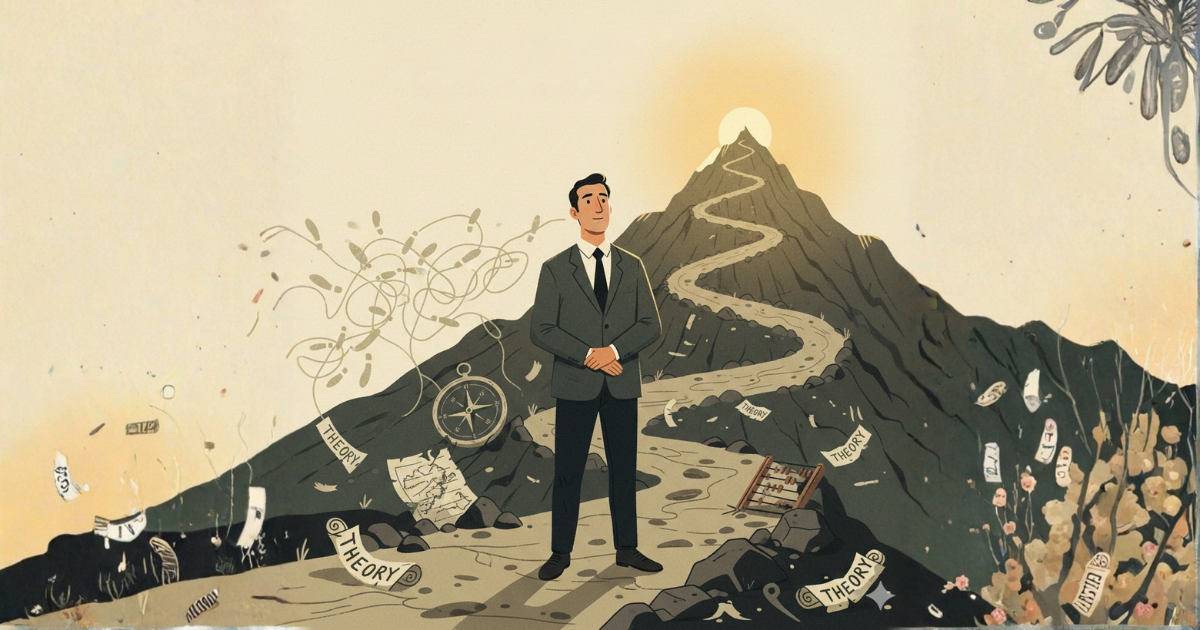
Leadership is often romanticised as a personality trait. People point to confidence, presence, or charisma and assume those qualities naturally translate to leadership potential. It is a comforting idea because it makes leadership sound effortless. In practice, the people who appear most confident are not always the ones who hold up when real pressure begins.
Experience, not personality, defines real leadership. You see it most clearly when stability breaks. Charisma can attract attention, but it cannot hold a team together through doubt, conflict, or loss. When systems start failing, what people need is steadiness, not charm. The ability to think clearly, to stay calm when others panic, and to act decisively without ego comes only from lived experience.
Some of the best leaders I have worked with were rarely the loudest voices in the room. They spent more time listening than talking. They did not seek the spotlight, and they did not confuse visibility with value. When a crisis hit, they moved quietly, gathered facts, and started rebuilding while others were still reacting. Their strength was not in how they looked when things were smooth but in how they behaved when everything started to fall apart.
Leadership is not about being born with a presence. It is about building credibility through decisions, consequences, and resilience. The ones who seem ordinary at first often become the ones others trust most when it truly matters.
The Weight of Responsibility

Leadership truly begins when your decisions start shaping someone else’s day, work, or sense of security. That shift changes everything. You start to notice how every choice, delay, or comment can ripple through a team. The work no longer revolves around personal performance but around how your decisions sustain or strain the people who depend on them.
Accountability changes behaviour. It teaches you to slow down, to think past your own perspective. The more people you lead, the more you realise that leadership is not about control but about consequence management. Every yes has a cost, and every no has a shadow. Over time, you stop reacting to urgency and start weighing impact. You begin to look for what is sustainable, not what feels right at the moment.
The emotional side of leadership is often invisible. It is the quiet guilt after a tough decision, the awareness that success sometimes comes at someone else’s expense, or the pressure of knowing you might have to choose between fairness and results. These are the moments that shape character. You cannot learn them from theory; they are built through exposure, reflection, and endurance.
Carrying that weight changes how you see leadership. It makes you more deliberate, more empathetic, and more aware of your limits. You stop chasing the image of being decisive and start focusing on being dependable. True authority does not come from a title. It comes from the consistency of someone who carries responsibility with clarity and calm.
Authority and Trust
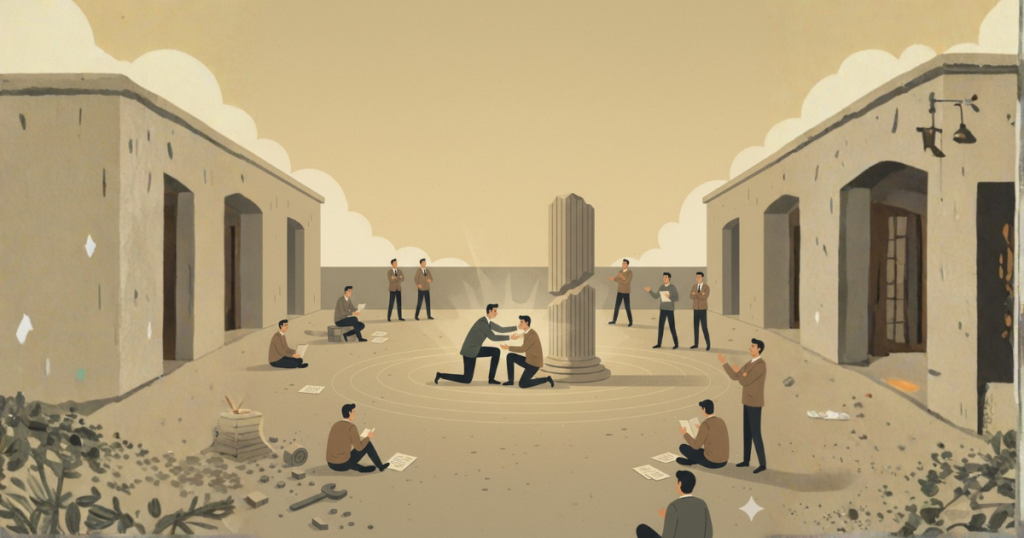
Authority is easy to grant. A title, a promotion, or a new role can give someone formal power overnight. But trust never arrives with the appointment. It builds slowly through the consistency of a leader’s choices and the fairness of their actions. When authority and trust align, leadership feels stable. When they drift apart, influence begins to crumble, no matter how strong the title appears on paper.
People follow authority because they have to. They follow trust because they want to. The difference becomes obvious when things get difficult. If a team trusts its leader, they will give the benefit of the doubt, even when decisions are unpopular. If that trust is missing, every decision is questioned, every motive doubted, and every message diluted.
Consistency is what sustains trust. It means acting with the same principles whether someone is watching or not. When leaders bend rules to please one person or change their stance to avoid discomfort, control begins to slip. People start managing the leader instead of following them. Credibility erodes quietly at first, then all at once.
Building trust is not about being agreeable. It is about being predictable in your judgment and transparent in your reasoning. When people know what you stand for and see that your decisions are guided by fairness, trust becomes the foundation that holds authority together. Leadership without it eventually becomes management by fear or compliance, and neither lasts very long.
Decision Making in Uncertainty

Leadership is easy when the path is clear. The real test begins when the facts are incomplete, time is short, and no option feels entirely right. In those moments, good leaders separate themselves not by knowing the answer, but by managing the unknown with discipline and calm. They understand that hesitation can be as damaging as a wrong call, yet they also know that acting without thought creates its own kind of chaos.
Deciding without full clarity demands judgment built from experience. You learn to gather just enough information to make a sound choice, not to wait for perfect data that may never arrive. You accept that every path carries risk, and that leadership often means choosing which problem you are willing to own. The goal is not perfection, but progress guided by intent and reflection.
The best leaders stay transparent about their reasoning. They explain the principles behind a decision so others can align, even if they disagree. When people understand the logic, they can execute with confidence. What breaks teams in uncertain times is not the difficulty of the decision, but the sense that the leader is guessing in silence.
Uncertainty exposes character. It shows whether someone can stay steady when others need direction. Good leaders do not chase control in those moments; they create clarity where none exists. They decide, communicate, and then take responsibility for what follows. That steadiness, more than any strategy, is what earns lasting trust.
The Leadership Maturity Curve

Every leader goes through stages of growth, though not always in a straight line. The early phase is about proving capability. It is when you focus on mastering execution, showing initiative, and earning credibility through performance. Most leaders start here, driven by the need to demonstrate that they can deliver. The risk in this phase is overreliance on personal effort. You become the problem solver for everything, and without realising it, you begin to limit the team’s growth by trying to carry too much yourself.
The middle phase begins when a leader realises that scaling results requires enabling others. This is where leadership becomes less about control and more about trust. You start building systems, mentoring, and creating space for others to make decisions. It feels uncomfortable at first because letting go can look like losing control. Yet this is where many leaders transform from managers into true multipliers of performance. The challenge here is learning to balance oversight with empowerment and resisting the urge to step in whenever tension appears.
The mature phase is about shaping culture and direction. Leaders at this level influence outcomes indirectly, through clarity of purpose, values, and design. They stop asking how to do the work and start asking how the environment can make good decisions inevitable. Maturity shows in how a leader responds to failure, conflict, and ambiguity. They do not try to be everywhere. Instead, they focus on building alignment that lasts beyond their presence.
Progress through these stages requires awareness. Some leaders plateau because they mistake experience for evolution. The ones who continue to grow are those who keep questioning themselves, stay open to feedback, and adapt their style as the system around them changes.
The Cost of Poor Leadership
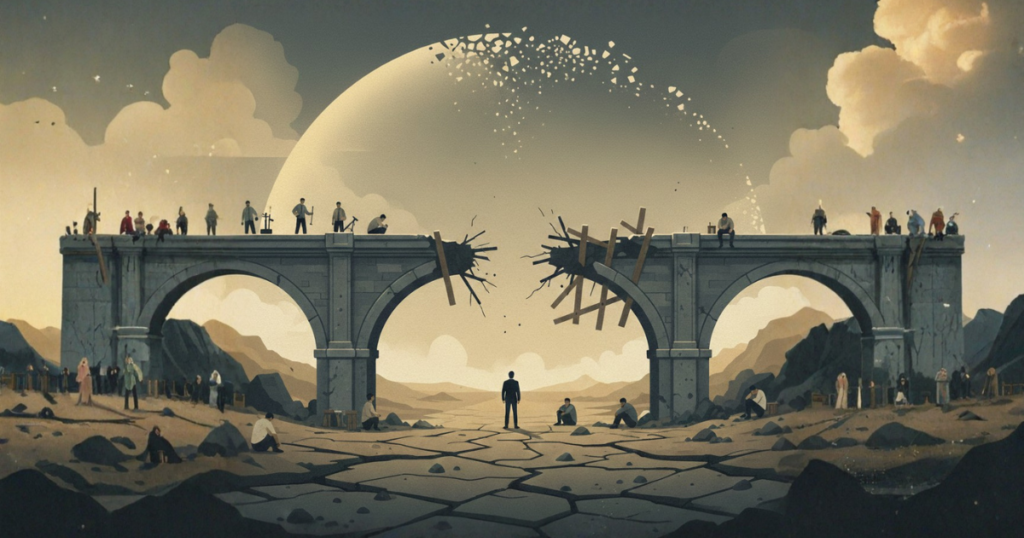
The damage caused by poor leadership is rarely immediate. It builds quietly, hidden behind polite meetings, partial truths, and decisions that get delayed because no one wants to take responsibility. The first signs are small. Deadlines slip. Teams start protecting themselves instead of collaborating. People stop sharing bad news because they have learned that honesty is punished. Over time, that silence hardens into culture.
Indecision is one of the most expensive forms of failure. It drains confidence and slows momentum. When a leader hesitates for too long, people begin to fill the gap with their own versions of direction. The result is fragmentation, not progress. Ego can be just as destructive. Leaders who need to be right more than they need to be effective push others away. They create an environment where people comply, not commit, and that difference slowly erodes performance.
Avoidance compounds everything. When leaders refuse to confront underperformance or conflict, the organisation learns that accountability is optional. The strongest people eventually leave, and the ones who stay adapt by doing less. It does not happen overnight. It happens through hundreds of small decisions not made.
Failure teaches what success hides. It reveals how fragile trust can be, how fast alignment can disappear, and how leadership must be renewed through action, not position. Poor leadership is not only about incompetence. It is about neglect, pride, or fear left unchecked. The real cost is the loss of belief that things can improve, and once that belief fades, recovery takes years.
Building the Framework: How Good Leaders Emerge

Good leaders are not shaped by theory. They evolve through exposure to consequences, feedback, and moments that test both their competence and character. The real growth happens after mistakes, when reflection replaces defensiveness, and the leader chooses to learn rather than justify. Every difficult situation becomes part of an internal system that refines how they think, act, and decide. Experience is the raw material; reflection is what turns it into insight.
The foundation of that growth is self-awareness. It anchors leadership in reality. Without it, experience can reinforce bad habits instead of building maturity. Self-aware leaders notice their impact, both intended and unintended. They ask uncomfortable questions: Did I listen enough? Did I react out of ego? Did I make this about me when it should have been about the team? This awareness protects them from repeating the same mistakes under new conditions.
A practical framework for developing as a leader begins with three habits: seek exposure, invite feedback, and process outcomes deliberately. Exposure builds judgment by showing you what real risk feels like. Feedback corrects blind spots that experience alone cannot fix. Reflection connects both by turning scattered events into patterns of learning. Together, they form the foundation of leadership maturity.
Humility ties it all together. It is what allows a leader to keep growing even after success. Humility creates space for others to contribute and for truth to surface. It keeps confidence from turning into arrogance and stability from becoming complacency. The leaders who last are not the ones who project certainty. They are the ones who keep learning in public and lead with the quiet strength that comes from self-understanding.
The Hard Truth About “Good Leadership”

Leadership is not a skill that can be mastered through courses or certifications. It has to be lived, tested, and refined through real experience. Theories can give structure, but they cannot replace the discomfort of being accountable when things go wrong. Judgment develops through failure more than through success. It grows in the quiet moments after a mistake, when a leader has to decide whether to learn from it or hide behind excuses.
The hardest truth about leadership is how fragile it really is. One poor decision, one breach of trust, or one lapse in integrity can undo years of good work. The leaders who endure know this. They operate with respect for how quickly stability can disappear and how much effort it takes to rebuild. That awareness keeps them grounded. It turns leadership from an image into a discipline, practised daily, with humility and care.
What Real Leadership Demands Next

The environments leaders face today are more uncertain, interconnected, and fast-moving than ever before. Information changes daily, yet decisions still need to be made. The idea of a single, all-knowing leader no longer fits. What matters now is the ability to make sense of complexity, to guide without pretending to control, and to help others stay clear when the path is not. Leadership is shifting from directing to sense-making and stewardship.
Future leaders will be measured less by how much they know and more by how well they learn. They will succeed by building trust, creating stability amid change, and helping people see meaning in the work they do. That requires calm, not charisma. It requires listening as much as leading.
Leadership will always remain unfinished. Every context, every team, every challenge changes the equation. The best leaders understand that they will never have it fully right. They keep practising, adjusting, and growing because they know that leadership is not a destination. It is the ongoing work of staying responsible when others are looking for direction.